




How to Translate a Legal Contract from English to Russian in the UK: A Practical Guide
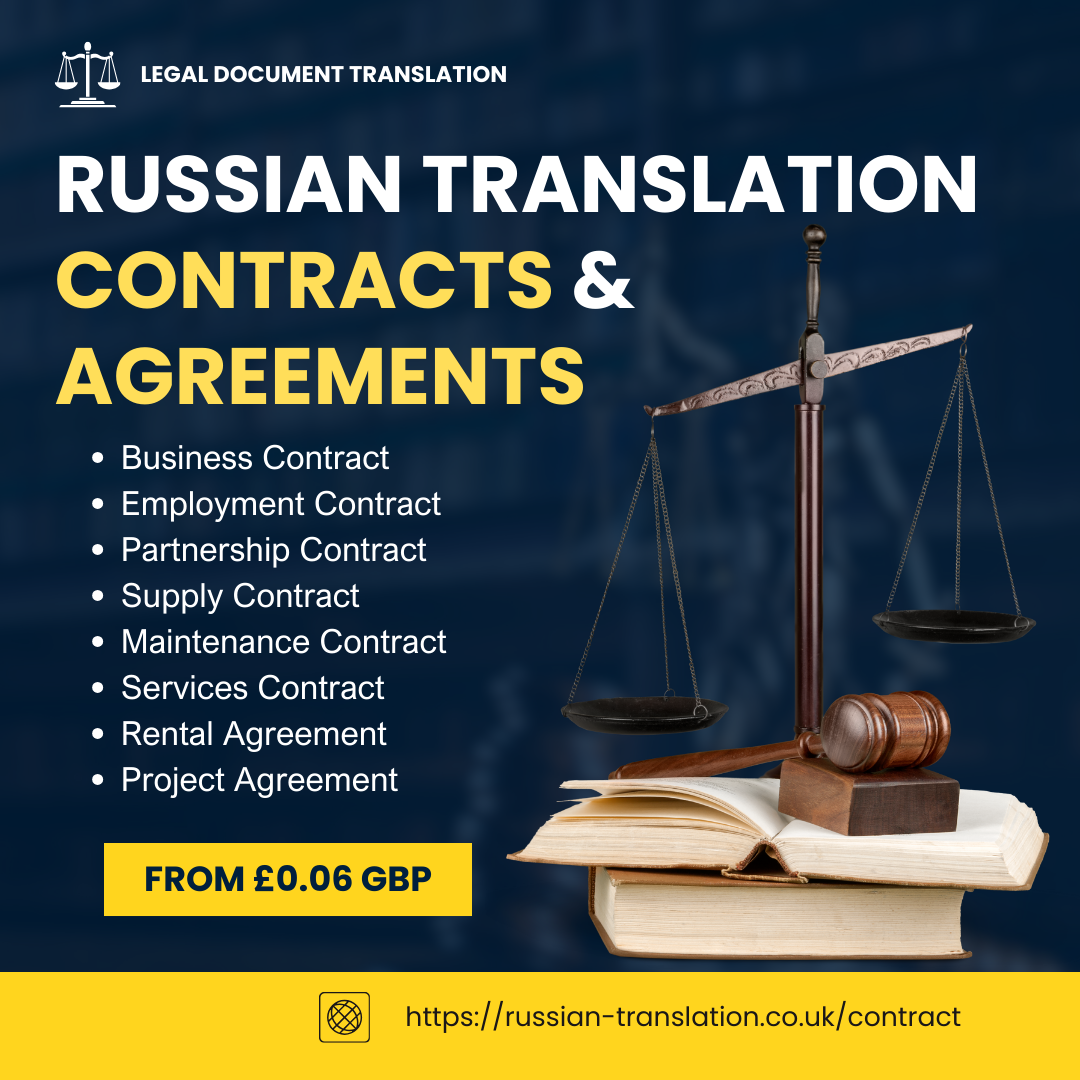
Translating a legal contract is not just about changing words from one language into another. It involves understanding legal systems, interpreting precise terminology, and ensuring that the meaning remains exactly the same in both languages. When it comes to translating a contract from English to Russian in the UK, the process becomes even more nuanced due to differences in legal frameworks and linguistic structure. How to translate a legal contract from English to Russian in the UK.
Whether you are a business expanding internationally or an individual dealing with cross-border matters, getting a legal translation right can save time, money, and unnecessary complications.
Whether you are a business expanding internationally or an individual dealing with cross-border matters, getting a legal translation right can save time, money, and unnecessary complications.

When Legal Contract Translation Becomes Necessary
There are many situations where translating a contract from English into Russian is required. These are not rare or unusual cases—they happen regularly in business and personal contexts. Russian translation services in the UK.
Expanding Business Operations
Imagine a UK-based company entering into a partnership with a Russian distributor. The contract is written in English, but the Russian partner needs a version in their own language to review the terms properly and ensure internal compliance. Without a reliable translation, misunderstandings can arise quickly. Russian translation of contracts in the UK.
Employment and Relocation
A company hiring a Russian-speaking employee or relocating staff abroad may need to provide employment contracts in Russian. This helps ensure that both parties clearly understand their rights and responsibilities. Russian certified translation of legal contract from English to Russian in the UK.
Legal Proceedings
In legal disputes involving Russian-speaking parties, contracts and supporting documents often need to be translated for use in court or arbitration. In these situations, accuracy is essential, as even a small error can affect the outcome. Russian legal translation of contracts from English to Russian in the UK.
Personal Legal Matters
Individuals may also need translations for administrative or legal purposes, such as submitting documents to authorities in Russia. In such cases, translations often need to meet formal standards or include certification. English to Russian translation of legal contracts in the UK.

Types of Documents Commonly Translated
Legal translation covers a wide range of documents, each with its own level of complexity and purpose.
Commercial Agreements
These include contracts between businesses—sales agreements, service contracts, and partnership arrangements. They often contain detailed clauses outlining obligations, liabilities, and dispute resolution terms.
Employment Contracts
These documents define working conditions, salary, benefits, and termination terms. Translating them accurately ensures both employer and employee are aligned.
Non-Disclosure Agreements
When sensitive information is shared between parties in different countries, NDAs need to be clearly understood in both languages.
Court and Legal Documents
Contracts used in disputes, along with supporting materials such as witness statements, require precise translation to maintain their legal validity.
Corporate Documents
Company formation papers, shareholder agreements, and merger documents may also need translation when businesses operate internationally.
Each document type requires careful handling to ensure that the legal meaning remains intact.
Each document type requires careful handling to ensure that the legal meaning remains intact.
How the Translation Process Works
If you have never ordered a legal translation before, the process is usually more straightforward than expected.
Initial Review
The first step is submitting the contract to a translator or agency. They assess the document, looking at its length, complexity, and whether certification is required.
Translation
The document is then translated by someone with experience in legal texts. This is not a word-for-word exercise—the translator must ensure that legal concepts are accurately reflected in Russian.
Editing and Proofreading
A second linguist often reviews the translation. This extra step helps catch inconsistencies or unclear phrasing.
Certification (if needed)
Some documents need to be certified to confirm that the translation is accurate and complete. This is common for official or legal use.
Delivery
The final version is delivered in the agreed format, ready for use.
How to Order a Legal Translation
Arranging a translation is usually a simple process:
- Send your document to a translation provider
- Request a quote and turnaround time
- Confirm whether certification is needed
- Approve the project
- Receive the completed translation
It is worth checking that the provider has experience with legal documents and understands both English and Russian legal terminology.
Why Professional Translation Matters
It may be tempting to rely on automated tools or non-specialist translators, but legal documents are not the place to cut corners.
Accuracy
Legal language is precise. A mistranslated term can change the meaning of an entire clause.
Clarity
A well-translated contract reads naturally and is easy to understand, while still reflecting the original text.
Compliance
Some institutions require translations to meet specific standards. Professional translators are familiar with these requirements.
Risk Reduction
Clear, accurate contracts reduce the chances of disputes and misunderstandings.
Confidentiality
Legal documents often contain sensitive information. Professional translators handle this with care and discretion.
How Translation Can Benefit Clients Financially
Good translation is not just about avoiding problems—it can also create real value.
Smoother Negotiations
When both parties fully understand the contract, negotiations tend to move faster and with fewer complications.
Stronger Business Relationships
Providing documents in a client’s native language shows respect and professionalism, which can help build trust.
Avoiding Costly Mistakes
Errors in legal documents can lead to disputes, delays, or even financial loss. Investing in proper translation helps prevent these issues.
Access to New Markets
For businesses, translating contracts into Russian can open the door to new opportunities and partnerships.
What Makes a Good Legal Translator
Not every bilingual speaker is equipped to handle legal translation. It requires a specific set of skills and experience.
Knowledge of Legal Systems
A good translator understands both UK and Russian legal concepts and how they differ.
Strong Language Skills
Fluency in both languages is essential, but so is the ability to write clearly and accurately.
Attention to Detail
Legal documents leave little room for error. Every word matters.
Experience
Working with contracts regularly helps translators recognise patterns, terminology, and potential pitfalls.
Professional Standards
Reliability, confidentiality, and clear communication are all part of delivering a good service.
Final Thoughts
Translating a legal contract from English to Russian in the UK is a task that requires care, knowledge, and attention to detail. It plays an important role in business, legal matters, and international cooperation.
Taking the time to work with a qualified translator ensures that your documents are accurate, clear, and fit for purpose. In many cases, it also helps avoid unnecessary risks and supports smoother communication between parties. https://blog.russian-translation.co.uk/how-to-translate-contract-from-english-to-russian
In short, a well-translated contract is not just a formality—it is a practical tool that helps people and businesses work together with confidence.